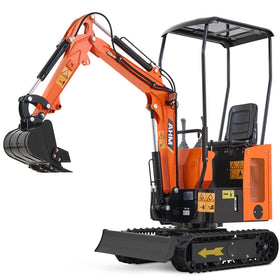
A skid steer loader is a powerful, versatile machine that plays a critical role in construction, landscaping, agriculture, and property maintenance. Like any piece of heavy equipment, its performance and lifespan depend heavily on proper care. Consistent maintenance not only helps prevent unexpected breakdowns but also improves safety, efficiency, and long-term operating costs. This guide focuses on practical skid steer loader maintenance, covering both routine care and scheduled servicing. By understanding what to check regularly and what needs attention over time, you can keep your machines running smoothly in demanding work environments.

General Maintenance for Your Skid Steer Loader
General maintenance covers the tasks that should be performed before, during, or after regular operation. These checks take little time but can prevent major issues down the road.
• Clean the control panel with a cloth wetted in mild detergent to wipe panel clean.
• Clean the platform of any grime, grease, or mud buildups. NEVER use kerosene as a cleaning detergent.
• Park the loader indoors or cover the control panel with water-proof canvas if is to be unused for a prolonged period of time, since the panel is not water proof.
• Periodically check the tire for any cracks. If damaged, replace with identical ones. Periodically check the pressure of the tire. Inflate them to the recommended pressure.
• Periodically check the inlets and outlets of the engine for any obstructions. If found, remove IMMEDIATELY before starting the engine.• Run a pre-operation inspection before each use. Check for loose or damaged parts, leaks, worn-out components, and signs of wear and tear.
• Periodically check that all safety features, such as the headlights, horns and labels are functioning and legible.
• Check engine oil levels regularly and change the oil according to the engine's manual.
• Inspect air filters and replace them when they are dirty or clogged.
• Keep the cooling system clean and ensure the radiator is free of debris to prevent overheating.
• Periodically check the hydraulic hoses and connections for leaks, cracks, or damage. Check hydraulic fluid levels and top up as needed. Replace hydraulic filters per the instructions in Periodical Maintenance below. Monitor hydraulic fluid temperature to prevent overheating.
• Keep the fuel tank and fuel lines clean to prevent debris from entering the system.
• ONLY Use the recommended fuel to avoid engine issues.
• Periodically check the battery for corrosion and loose connections. Clean and tighten as
necessary. Cut the power if the loader is not needed.
• Periodically test all lights, gauges, and electrical components to ensure they are functioning correctly.
• Lubricate all grease points, including pivot points and joints, per the instructions in Periodical Maintenance below. Regular greasing helps reduce wear and tear.
• Maintain a maintenance log to record inspections, repairs, and servicing.
• Provide proper training to operators and ensure they are familiar with safety protocols and maintenance procedures.
• Schedule routine professional servicing by a qualified technician or service center to perform more extensive maintenance tasks and inspections as recommended by the manual and the engine’s manual.

Periodical Maintenance for Your Skid Steer Loader
Periodical maintenance involves deeper inspections and servicing performed at set intervals, such as after a certain number of operating hours. This guide takes the AHM 23HP Mini Skid Steer as an illustration. Please note that maintenance schedules and procedures can vary between machines, so always refer to the operator’s manual for your specific model.
Lubrication
Lubricate the joints listed below after 5–8 hours of consecutive use, using EP3 lithium grease lubricant.
Note:
- Unless otherwise instructed, all service should be performed with the engine off. Stop engine and apply parking brake before opening hood for inspection or service. Allow the engine run idle for some time before shutting it down.
- Proper lubrication is key to a longer service life of parts that move around an axle or shaft. Service intervals listed are for minimum requirements. Under extreme conditions, service the loader more frequently. ONLY use the recommended lubricant.
- Incorrect procedures could result in death, injury, or property damage. Follow the instructions and consult a mechanist if unsure at any point.
Note: Support both lift arms before working under raised lift arms.


Engine
Refer to the engine's manual (included) for maintaining the engine.
Note: NEVER maintain a running engine.
10-Hour Check
• Hydraulic Oil Check
Every 10 hours of continual operation,
1. Locate the hydraulic oil cap as shown.
2. Remove the cap and pull out the oil dipstick.
3. Check that the oil mark is within the normal level, which is the section between the marks 1 and 2.
4. Refill with the recommended hydraulic oil if needed.

• Hydraulic Hoses Leakage Check
Every 10 hours of continual operation, check all the hydraulic hoses for leakage.

1. Shut the engine if it is running and allow it time to cool. Support the lift arms with sturdy buttresses. Hoist them if necessary.
Note: ALWAYS support both lift arms BEFORE working under the raised lift arms.
2. Toggle all the control rods to depressurize the hydraulic system.
Note: NEVER service a pressurized hydraulic system
3. Put on necessary protective gears, including goggles and mask.
Note: ALWAYS wear protective gears before the check.

4. Replace damaged hoses or adaptors with identical ones.
Drain the leaked hydraulic oil in an air-tight container and dispose of it following all national and local laws and codes. Seek immediate medical attention if your eyes have contacted the hydraulic oil. Normally, the parts of a hose as shown are more prone to damage.
50-Hour Check
Every 50 Hour of continual use, check:

• Battery Check & Storage
Normally, regular battery can last 10–15 days in winter and 5–6 days in summer without any maintenance. After that, Follow the steps below to check it.
Note: ALWAYS wear protective gears before the check. Seek immediate medical attention if your skin has contacted the electrolyte.
1. Shut the engine if it is running.
Note: Never disconnect the battery when the engine is running.
2. Disconnect the lines on the battery.
Note: ALWAYS remove the line on the negative post first and replace it last.
3. Remove the ventilation plug.
4. Check the electrolyte in each unit. Add distilled water if the liquid level is below the lowest level allowed.
5. Reinstall the ventilation plug and the lines.
For maintenance-free battery, check the battery every 50 hours.
1. Shut the engine if it is running.
Note: Never disconnect the battery when the engine is running.
2. Remove the lines from the terminal posts.
Note: ALWAYS remove the line on the negative post first and replace it last.
3. Check that the posts are free of any grime or corrosion. Clean as needed.
4. Use a hydrometer to check the electrolyte following the manual of the hydrometer.
Note: Seek immediate medical attention if your skin has contacted the electrolyte.
5. Reinstall the lines.
If the loader is to be unused for a prolonged period of time, to protect the battery,
1. Disconnect the battery from the skid steer loader.
Note: ALWAYS remove the line on the negative post first and replace it last.
Note: When working in an enclosed space or area with poor ventilation, be cautious of battery fumes and gases. Lead-acid batteries, in particular, can release hydrogen gas
during charging or discharging, which can be flammable and harmful if inhaled. Ensure
that you are working in a well-ventilated area to disperse any fumes.
2. Use a battery charger to bring the battery to a full charge, following the charger’s manual.
3. Clean the battery terminals to remove any corrosion or grime. Use a mixture of baking soda and water or a dedicated battery terminal cleaner to clean the terminals thoroughly.
4. Dry the terminals with a clean cloth.
5. Store the battery in a cool, dry location away from direct sunlight and inaccessible to children.
6. Periodically charge the battery during storage. Batteries tend to self-discharge over time, and keeping them charged helps prevent damage from complete discharge. Use a battery maintainer or trickle charger designed for long-term storage to maintain the battery's charge.
7. Keep the battery Clean. While in storage, periodically check the battery for any signs of corrosion or leaks. Clean the terminals if necessary and ensure the battery remains clean and dry.
8. Inspect before reuse. When you plan to use the skid steer loader again, inspect the battery. Recharge it if needed, and check for any visible damage or signs of deterioration. If the battery shows significant degradation or no longer holds a charge, replace it with an identical one.
• Oil Cooler Cleaning
Normally, the oil cooler needs to be cleaned every 50 hours of continual use. Shorten the cleaning schedule if the loader frequently operates under dusty conditions. Clean with compressed air or low-pressure water following the protocols for using such tools. Remember to wear personal protective equipment before cleaning.
Note: Be careful with the fins on the cooler. They are sharp but can be easily warped.
DO NOT clean them with hard objects.
• Changing the Hydraulic Oil Filter
Change the hydraulic oil filter after the first 50 hours of continual use. Then, change it every 250.
100-Hour Check
• Engine Oil: Change the engine oil every 100 hours of continual use, referring to the engine’s manual.
200-Hour Check
• Spark Plugs and Gaps: Check the spark plugs and gaps every 200 hours of continual use, referring to the engine’s manual.
• Oil Filter Changing: Change the oil filter every 200 hours of continual use, referring to the engine’s manual.
hours.
250-Hour Check
Change the hydraulic oil filter every 250 hours of continual use.

500-Hour Check
• Changing the Hydraulic Oil
Change the hydraulic oil every 500 hours of continual use.

1. Fetch a container for draining the used hydraulic oil and place it under the hydraulic oil drain port as shown.
2. Remove the drain cap.
3. Drain the oil and wait for remaining oil to sap and drip.
4. Replace drain cap, making sure it’s securely locked in place.
5. Remove the hydraulic oil cap.
6. Fill the correct hydraulic oil while constantly check the oil level using the dipstick on the hydraulic oil cap.
Note: ONLY use the recommended SAE 20W (#46) hydraulic oil.
Why Choose the AHM 23HP Mini Skid Steer
If you’re looking for a compact yet powerful machine, the AHM 23HP Mini Skid Steer Loader is an excellent choice. Key features include:
- Compact and maneuverable: Only 45.3 inches wide and 1,733 lbs, ideal for tight spaces
- Powerful performance: Handles 30° inclines and speeds up to 3.7 mph
- High lifting capacity: 6.2-foot lift height with 826 lbs payload
- Versatile attachments: Compatible with Root Grapples, Stump Grinders, Augers, and more
This mini skid steer combines versatility, strength, and compact design, making it a reliable partner for a wide range of jobs.

Conclusion
Maintaining a skid steer loader does not have to be complicated. By separating tasks into general maintenance and periodical maintenance, you can build a routine that keeps equipment safe, efficient, and dependable. Regular attention to small details reduces the risk of costly repairs and extends the life of the machine. With consistent care and a proactive maintenance mindset, your skid steer loader will continue to deliver reliable performance across a wide range of demanding jobs.