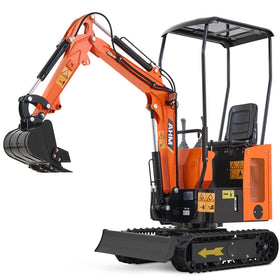
The project specs say you need a 7-foot trench for the new water line running from the street to your house - 180 feet of digging through your front yard. You call around for mini excavator rentals, and every place asks the same question: "What size machine do you need?" You have no idea.
The 1-ton model rents for $200 a day, the 3-ton costs $275, and the 6-ton costs $400. The rent is too small, and you're stuck with a machine that can't reach depth. Rent too big, and you're wasting money on capability you don't need.
How deep a mini excavator can dig becomes the critical question determining which machine you rent and whether your project stays on budget.

Why Knowing Mini Excavator Digging Capacity Matters
Digging depth determines project feasibility and equipment selection. Utility trenches, foundation footings, drainage systems, and septic installations all require specific minimum depths mandated by building codes.
Choosing a machine with insufficient digging depth means you either can't complete the work or you're constantly repositioning to dig at awkward angles, wasting time and fuel.
The depth specification also affects machine cost. Mini excavators range from 5 feet to 15+ feet in maximum digging depth, with prices scaling accordingly. A machine delivering 8 feet of depth costs 30-40% more than one maxing out at 6 feet.
Understanding how deep you actually need to dig prevents overspending while ensuring the machine handles your deepest requirements.
How Deep Can a Mini Excavator Dig?
The digging depth depends primarily on operating weight class. Larger machines carry longer booms and arms, translating directly to increased vertical reach.
| Mini Excavator Size | Approximate Digging Depth |
| Small mini excavators (1-3 tons) | 5-8 feet (1.5-2.5 meters) |
| Mid-size mini excavators (3-6 tons) | 8-12 feet (2.5-3.6 meters) |
| Larger mini excavators (6-10 tons) | 12-15+ feet (3.6-4.5+ meters) |
How to Determine How Deep a Mini Excavator Can Dig
Three factors determine actual digging depth: boom length, arm length, and attachments. Boom length extends from the excavator body to the arm pivot point. Longer swing booms increase depth but reduce digging force at maximum extension. Mini excavators typically use 1.5-3.5 meter (5-11.5 feet) booms. Long-reach configurations add 20-40% more length.

Arm length (the stick) extends from the boom pivot to the bucket. Longer arms reach deeper but with reduced breakout force. Extended arms prioritize reach over power - they dig deeper but fill buckets slower in hard materials.
Mini excavator attachments affect the effective depth of a mini excavator. Narrow trenching buckets (8-12 inches) dig deeper than standard 15-24 inch buckets because reduced width requires less material removal per pass. Lighter buckets allow further extension before reaching weight limits.
| Mini Excavator Size | Typical Base Digging Depth | Impact of Longer Boom/Arm | Impact of Attachments |
| Small (1-3 tons) | 5-8 feet | +1-2 feet with extended arm | Narrow buckets add 6-12 inches |
| Mid-size (3-6 tons) | 8-12 feet | +2-3 feet with long reach | Specialized buckets optimize depth |
| Larger mini (6-10 tons) | 12-15 feet | +3-4 feet with super long reach | Heavy attachments reduce depth by 3-6 inches |
How Mini Excavator Attachments Affect Digging Depth
- Standard bucket (15-24 inches wide): Provides balanced performance but doesn't maximize depth. A wider profile requires removing more material, limiting practical single-pass depth.
- Narrow/trenching bucket (8-12 inches): Effectively increases digging depth by 6-12 inches versus standard buckets. Less material removal per pass allows deeper penetration. A 12-inch trenching bucket on a 69-inch depth excavator practically achieves 72-75 inches in actual trench depth.
- Rock bucket: Reinforced teeth and heavier construction (15-25% heavier than standard). Added weight reduces maximum depth by 3-6 inches, but increased penetration force allows deeper digging in hard materials where standard buckets fail.
- Tilt bucket: Rotates 45 degrees in both directions for angled excavation. Doesn't change maximum vertical depth but enables reaching under obstacles and creating sloped walls without repositioning, increasing practical working depth in confined spaces.
- Hydraulic thumb: Doesn't affect depth directly but improves efficiency. Grips and removes rocks, roots, and debris from trenches, keeping the working depth clear and allowing continuous digging.

Factors That Limit Mini Excavator Digging Capacity
1. Soil type and conditions
- Hard-packed clay: reduces effective depth by 10-15%
- Rocky soil: requires multiple passes, limiting depth per cycle
- Wet, saturated soil: allows easier penetration but creates stability issues
- Sandy/loamy soil: optimal digging conditions, achieves rated depth
2. Operator technique and skill
- Experienced operators achieve full rated depth
- Inexperienced operators typically reach only 70-80% of the rated depth
- Proper positioning, bucket curl timing, and coordinated movements matter
3. Ground obstacles and slope
- Large buried rocks or old foundations prevent reaching the maximum depth
- Slopes exceeding 15-20 degrees reduce safe digging depth by 20-30%
- Level ground allows full depth capability
4. Machine condition
- Worn hydraulic components reduce cylinder extension force
- Low or contaminated hydraulic fluid decreases system pressure
- Stretched boom/arm bushings create play, reducing maximum extension
Tips for Choosing the Right Mini Excavator for Your Project
- Match machine size to project needs - Calculate your deepest required depth, then add 1-2 feet buffer.
- Choose the right boom/arm length - Standard configurations work for most general excavation. Extended or long-reach arms become necessary when digging across obstacles or when maximum depth is critical.
- Pick the right attachments - Match bucket width to application.
- Check manufacturer specs for max reach/depth - Always verify the exact "maximum digging depth" specification, not just weight class.

Best AHM Mini Excavators for Digging Projects
1. AHM AX-15 - $7,999.99
- Max digging depth: 69 inches (5.75 feet)
- Max digging force: 2,698 lbf
- Operating weight: 1,940 lb
The AX-15 matches the 69-inch depth of the AX-12B but features a Kubota D722 diesel engine rated to run three times longer than gasoline engines. The 2,698 lbf digging force and EPA Tier 4 compliance make it ideal for contractors running equipment daily.
2. AHM AX-16 - $12,499.99
The AHM AX-16 23 HP Briggs & Stratton mini excavator delivers 70% more power for superior performance. With a 70.6-inch digging depth and a 9'6" radius, its 3'3" body excels in tight spaces.
The reduced tail-swing design ensures minimal ground disturbance and easy transport. If you need a machine that prioritizes high-demand performance and transportability, this is the one.
The Bottom Line
How deep a mini excavator digs ranges from 5 feet for compact 1-ton models to 15+ feet for larger 6-10 ton machines. How deep a mini excavator dig also depends on boom/arm length, bucket selection, soil conditions, and operator skill.
Extended arms add 20-40% more reach, while narrow trenching buckets increase practical depth by 6-12 inches. Rocky or clay soil reduces effective depth by 10-15% compared to rated specifications.
Match machine size to your deepest requirement, plus a 1-2 feet buffer. Residential utility work (3-5 feet) needs 1-2-ton excavators. Foundation work (5-7 feet) requires 2-4 ton machines. Deep drainage and commercial applications (7-10+ feet) demand 4-6+ ton excavators. Keep these factors in mind, and you’ll complete projects with minimum headaches!
Explore more on mini excavator lifting capacity, and discover many more ways to use your mini excavator.